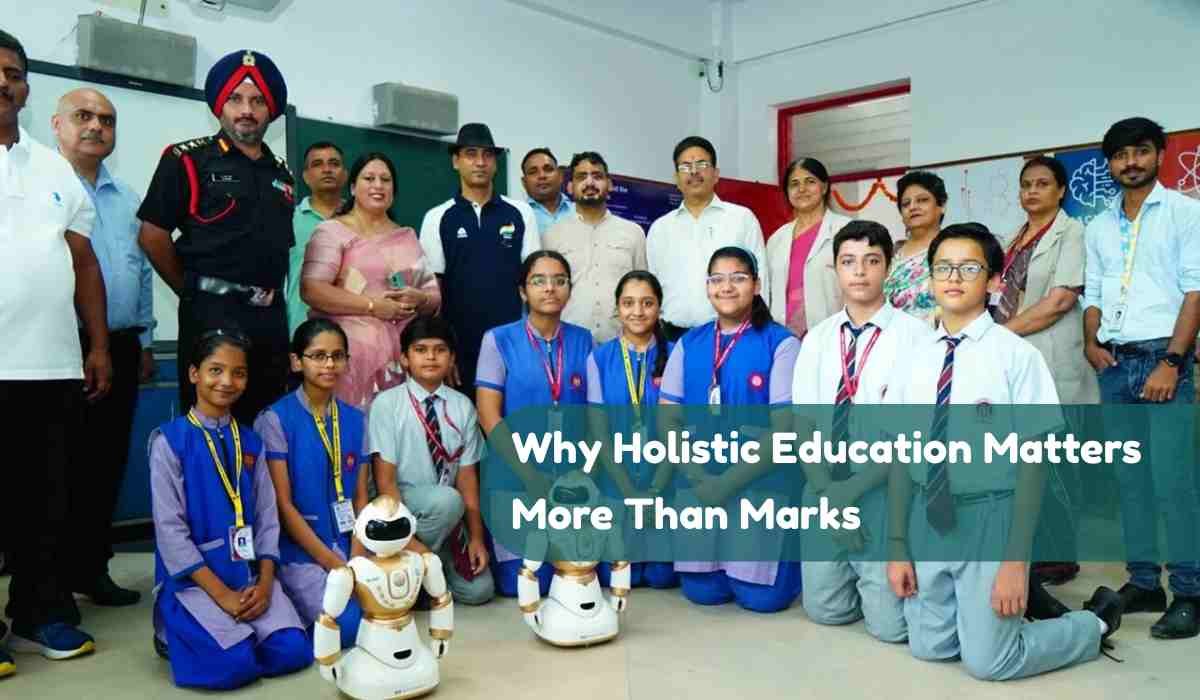
Why Holistic Education Matters More Than Marks
- Categories Blog, Educational Leadership, Professional Development, School Culture
- Tags academic excellence Meerut, Best School in Meerut, CBSE school Meerut, child growth and learning, Dayawati Modi Academy, DMA Meerut, education beyond marks, experiential learning, future ready students, holistic education, life skills education, modern parenting education, student development, value based education
Holistic education matters more than marks because real success in life depends on skills, values, emotional strength, and adaptability—not just exam scores. While marks measure academic recall, holistic education develops confident, ethical, and future‑ready individuals who can thrive in real‑world challenges.
In today’s competitive academic environment, marks and percentages often dominate how success is defined. Parents compare report cards, students fear rankings, and schools are judged by results alone. However, global research and modern education systems increasingly agree on one truth: marks alone do not define a child’s potential.
True education must prepare students not only for exams, but for life.
What Is Holistic Education?
Holistic education is an approach that focuses on the complete development of a child—intellectual, emotional, physical, social, ethical, and creative.
Unlike a rigid, marks‑centric system, holistic education values:
- Critical thinking
- Emotional intelligence
- Creativity and innovation
- Communication skills
- Moral values and empathy
- Physical and mental well‑being
According to UNICEF, education systems that focus on life skills alongside academics produce more resilient and adaptable learners.
At institutions like https://dma1.in, holistic education is embedded into academics, co‑curricular activities, sports, leadership programs, and value‑based learning.
The Problem With a Marks Centric Education System
1. Marks Encourage Rote Learning
Marks often reward memorization over understanding. Students learn to reproduce answers rather than explore concepts deeply.
This results in:
- Short‑term knowledge retention
- Fear of making mistakes
- Limited curiosity
The National Education Policy (NEP 2020) clearly highlights the need to move away from rote learning toward competency‑based education.
2. Marks Do Not Measure Real‑World Skills
Life does not test individuals with written exams.
The real world demands:
- Problem‑solving
- Collaboration
- Decision‑making
- Emotional control
- Leadership
A student who scores high marks but lacks confidence or resilience may struggle more than a student with average marks but strong life skills
3. Marks Increase Stress and Anxiety
Academic pressure has become one of the biggest contributors to:
- Student anxiety
- Burnout
- Fear of failure
The World Health Organization (WHO) recognizes academic stress as a major mental health concern among adolescents.
Holistic education reduces this pressure by:
- Valuing effort over perfection
- Encouraging growth mindset
- Celebrating individual progress
Why Holistic Education Prepares Students Better for Life
1. Builds Emotional Intelligence
Emotional intelligence helps students:
- Handle failure
- Communicate effectively
- Develop empathy
According to Harvard University’s Center on the Developing Child, emotional and social skills are critical predictors of long‑term success.
2. Encourages Creativity and Innovation
Holistic learning environments include:
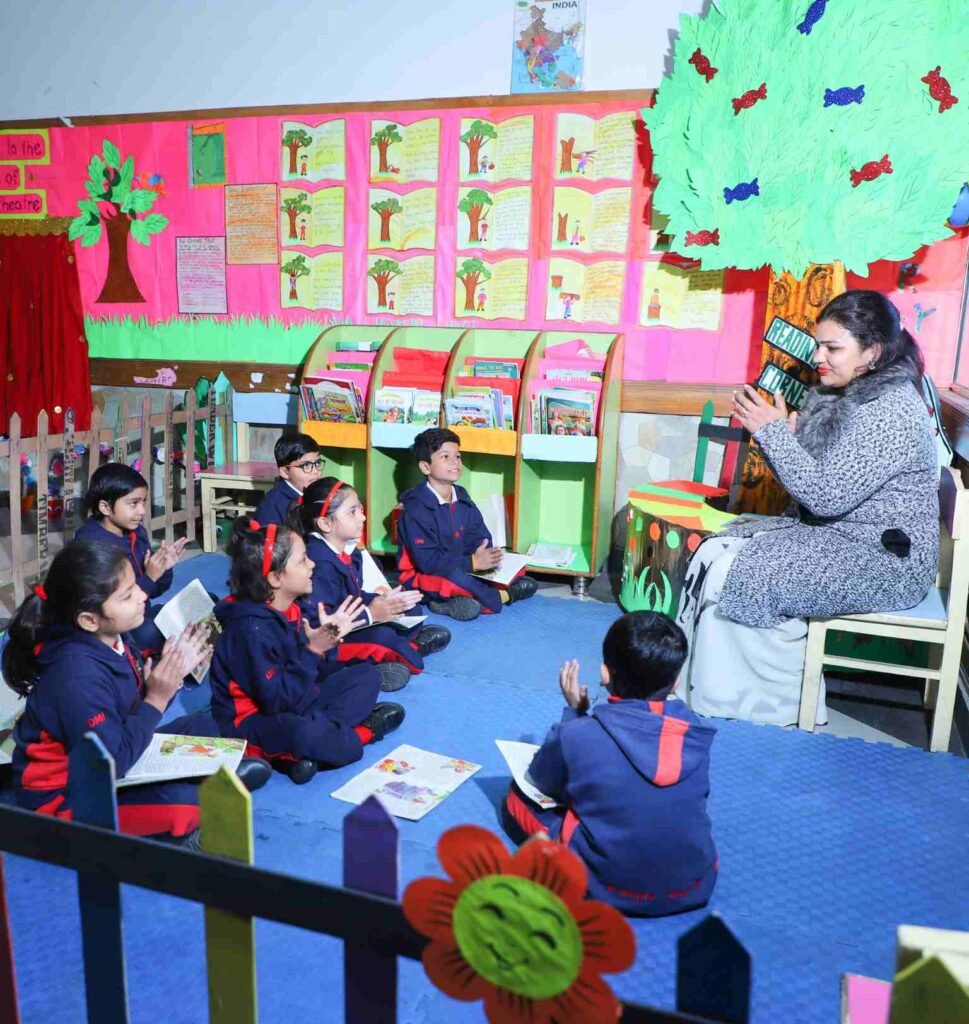
- Art, music, drama
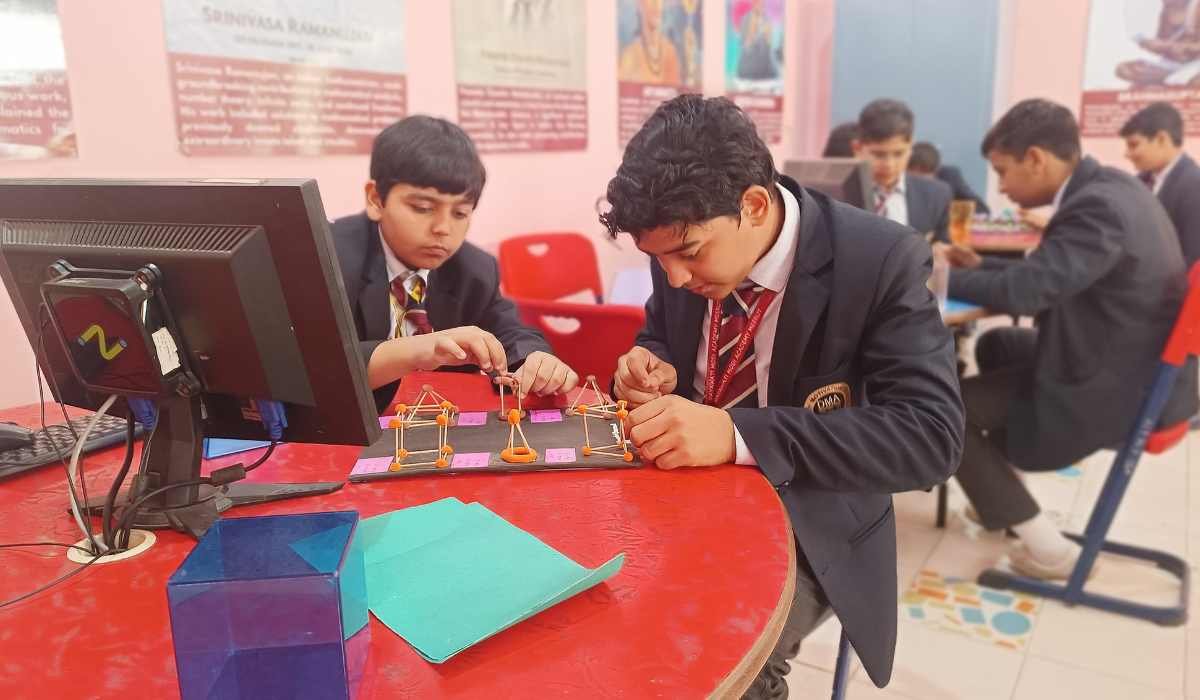
- Robotics and innovation labs
- Project‑based learning
This allows students to think beyond textbooks and develop original ideas—essential in careers that do not even exist yet.
3. Supports Physical and Mental Well‑Being
Sports, yoga, mindfulness, and outdoor activities are essential components of holistic education.
At https://dma1.in, sports and physical education are integrated to develop discipline, teamwork, and stamina—qualities marks can never measure.
Every Child Is Unique – Holistic Education Recognizes This
One of the biggest flaws of marks‑based systems is that they label students.
- High scorers are seen as “successful”
- Others are unfairly considered “weak”
In reality, children excel in different areas:
- Academics
- Sports
- Arts
- Leadership
- Innovation
Holistic education recognizes multiple intelligences and allows children to discover their strengths instead of forcing them into a single definition of success.
Are Marks Completely Irrelevant? No.
Marks do matter—but only as one part of the larger picture.
Marks help:
- Track academic progress
- Meet eligibility criteria
- Provide basic assessment
However, marks should be indicators, not identity.
A balanced education system uses marks as feedback while nurturing character, capability, and confidence through holistic learning.
Holistic Education in CBSE Schools Today
The CBSE board has already taken major steps toward holistic development:
- Competency‑based questions
- Skill subjects
- Experiential learning
- Sports and arts integration
More details can be found on the official CBSE website
Schools like Dayawati Modi Academy are implementing these reforms through:
- Activity‑based classrooms
- Leadership programs
- Community engagement
Career guidance initiatives
How Parents Can Support Holistic Learning
Parents play a crucial role by:
- Valuing effort, not just results
- Encouraging hobbies and sports
- Avoiding unhealthy comparisons
- Supporting emotional well‑being
Choosing the right school is also essential. Parents looking for institutions that balance academics with holistic development can explore DMA’s academic philosophy here:
https://dma1.in
The Future Belongs to Holistic Learners
The world today needs:
- Thinkers, not memorizers
- Leaders, not rankers
- Problem‑solvers, not exam toppers
Marks may open doors, but holistic education teaches students how to walk through them—and how to succeed beyond them.
At the heart of meaningful education lies one truth:
Education is not about scoring high—it is about growing right.
Frequently Asked Questions (FAQ)
Q1. Why does holistic education matter more than marks?
Holistic education prepares students for life by developing skills, values, and emotional intelligence, while marks only measure exam performance.
Q2. Is holistic education part of CBSE curriculum?
Yes. CBSE and NEP 2020 promote experiential learning, life skills, sports, and value education.
Q3. Can students succeed without high marks?
Yes. Many successful individuals have average academic scores but strong life skills, creativity, and resilience.
Q4. Does holistic education reduce academic stress?
Yes. By focusing on growth rather than comparison, it creates a healthier learning environment.
Q5. Which school follows holistic education in Meerut?
Dayawati Modi Academy integrates academics, sports, leadership, and value-based learning. Learn more at https://dma1.in.
Tag:academic excellence Meerut, Best School in Meerut, CBSE school Meerut, child growth and learning, Dayawati Modi Academy, DMA Meerut, education beyond marks, experiential learning, future ready students, holistic education, life skills education, modern parenting education, student development, value based education
You may also like
How Technology Is Transforming Classrooms | DMA Meerut
Career Guidance in Schools | Dayawati Modi Academy, Meerut